
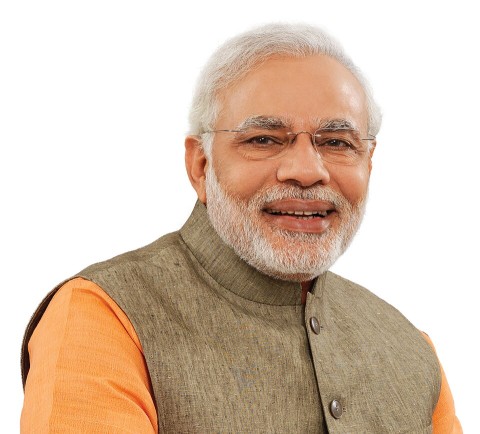
In response to the challenges posed by the persistent US-Iran conflict, Indian Prime Minister Narendra Modi convened a high-level meeting with Union ministers to address pressing issues related to governance reforms, energy security, and long-term national development strategies. The meeting, which spanned over four hours, underscored the importance of adapting to potential global energy supply disruptions, particularly those that may arise from the strategic Strait of Hormuz, a vital conduit for international oil transport.
Modi called for a streamlined governance approach by urging ministers to expedite decision-making processes and minimize bureaucratic inefficiencies. He highlighted the necessity of preventing government files from being ensnared in procedural delays and advocated for the establishment of simpler, more transparent systems aimed at enhancing the “ease of living” for citizens. Additionally, he stressed the importance of hastening the implementation of central government schemes, particularly in regions where projects are advancing at a sluggish pace.
In light of escalating tensions in West Asia and their repercussions on global fuel supplies, Modi emphasized the need for readiness against potential disruptions in crude oil, gas, and fertilizer imports. Given India’s heavy reliance on energy shipments traversing the Strait of Hormuz, this issue represents a significant economic concern. The Prime Minister encouraged an expansion of alternative energy sources, such as renewables and biogas, to mitigate dependence on imported fuels. In response to rising global crude prices, which have already led to increased costs for petrol, diesel, and LPG in India, the government is advocating for austerity measures and fiscal discipline to manage the economic ramifications of energy uncertainty.
Reaffirming the vision of “Viksit Bharat 2047,” Modi stressed that transforming India into a developed nation by 2047 should be pursued as a long-term national mission rather than a mere slogan. He urged ministers to concentrate on implementing next-generation reforms and improving the delivery of welfare programs to maximize their benefits for the populace. The meeting featured presentations from External Affairs Minister S. Jaishankar, Cabinet Secretary T. V. Somanathan, and NITI Aayog member Rajiv Gauba, covering topics such as governance, foreign policy, and the execution of flagship schemes.
The discussions unfolded against a backdrop of mounting political pressure stemming from inflation, escalating fuel prices, and the wider economic consequences of instability in West Asia. This underscores the urgency with which the Indian government is addressing these multifaceted challenges, while also maintaining focus on its broader developmental goals.