
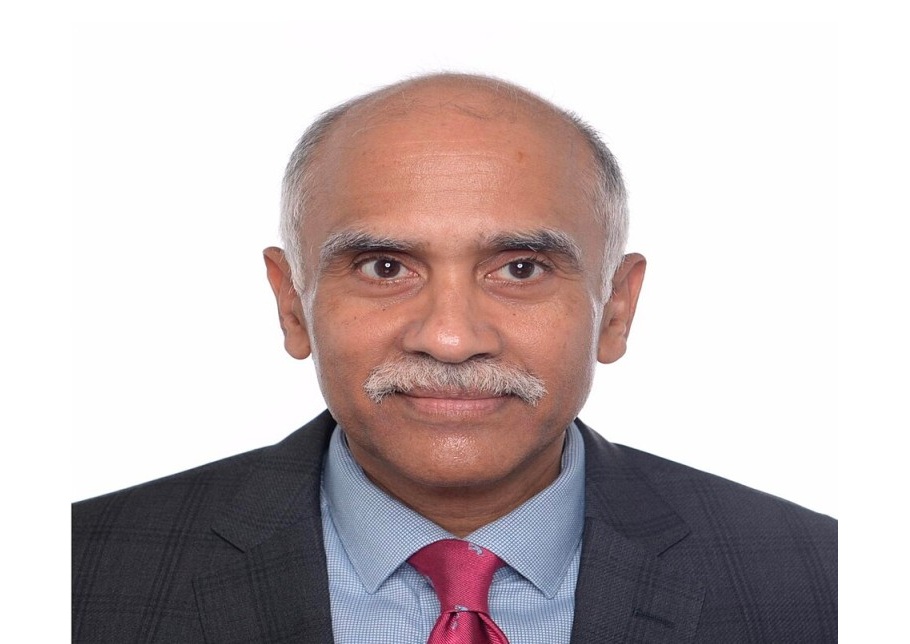
At a recent United Nations Security Council meeting, India vehemently condemned Pakistan’s use of the phrase “Fitna al-Hindustan” to label certain groups active in Pakistan’s Balochistan region. Harish Parvathaneni, India’s Permanent Representative to the United Nations, rebuked this characterization as state-sponsored misinformation, asserting that Pakistan was employing religious language to foment animosity towards India.
During his address to the Security Council, Parvathaneni contended that the narrative was part of a broader disinformation campaign designed to shift focus away from Pakistan’s own internal political and economic difficulties. He argued that this rhetoric was more about perpetuating anti-India sentiment than tackling the underlying issues at hand. Pakistan had formally referred to militant groups in Balochistan as “Fitna al-Hindustan,” suggesting foreign involvement in destabilization efforts.
In addition to addressing the terminology used by Pakistan, India voiced its concerns over Pakistan’s military actions in Afghanistan, claiming that airstrikes conducted by Pakistan had led to civilian casualties. Parvathaneni emphasized that the loss of civilian lives could not be justified under the pretense of counterterrorism activities and called for those responsible to be held accountable.
The Indian envoy further criticized Pakistan’s political and military leadership, asserting that blaming neighboring countries for its internal issues would not solve Pakistan’s problems. He highlighted that such tactics would only serve as a distraction from the country’s own challenges.
This exchange at the United Nations underscores the persistent tensions between India and Pakistan on the international stage, where both nations frequently accuse each other of interference and engage in destabilizing activities. The Security Council meeting served as yet another platform for these ongoing disputes to unfold.