
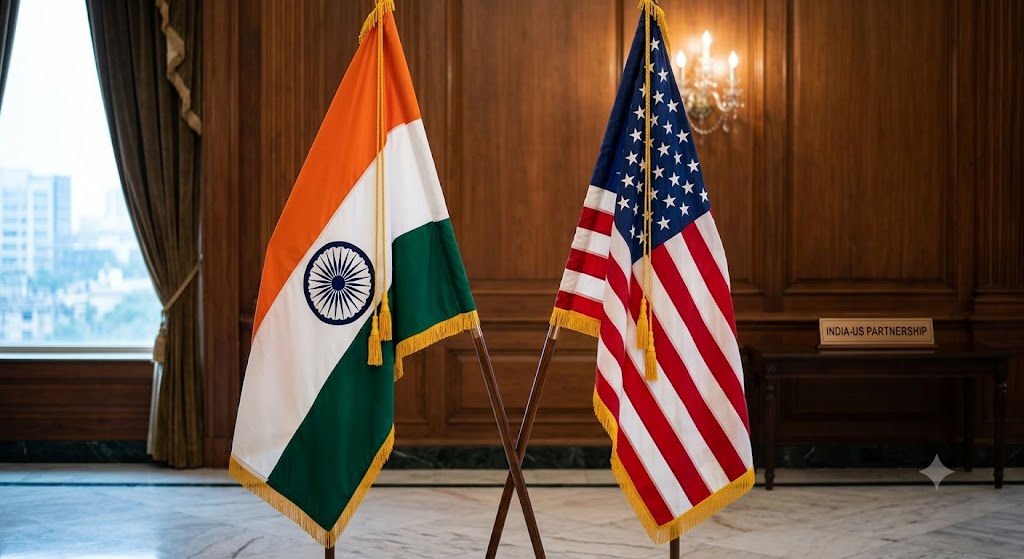
India and the United States have rekindled efforts to secure an interim trade agreement as they strive to mend lingering differences ahead of an imminent tariff deadline. Recent talks have concentrated on dismantling the final hurdles obstructing a bilateral trade pact. Optimism is high among officials, who indicate that, after prolonged negotiations, only a handful of issues remain unresolved.
The trade discussions initially aimed at boosting bilateral commerce to surpass $500 billion by the year 2030. However, the journey has been fraught with hurdles following the United States’ imposition of new tariffs on Indian goods, which significantly increased duties on certain items. An earlier framework set out to reduce tariffs on exports from India, but its implementation was hampered by legal challenges within the United States.
Under the terms of the proposed agreement, India would slash tariffs on selected American industrial and agricultural products, while the United States would reciprocate by lowering duties on Indian goods. Despite these concessions, certain sensitive sectors like dairy, wheat, rice, and poultry remain shielded due to domestic sensitivities.
Agriculture remains a contentious issue, with the United States advocating for greater access for its farm exports. India, on the other hand, is cautious about yielding too much, given concerns related to local farmers and regulatory standards governing food products.
Should the agreement come to fruition, it has the potential to bolster trade relations, enhance India’s competitive edge against other exporters, and fortify the mutual objective of expanding economic ties between the two nations.