
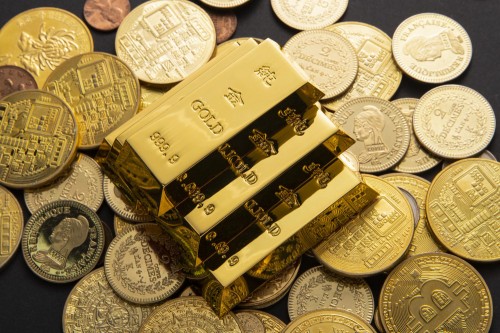
Gold prices saw a decline over the week as the markets reacted to the ongoing uncertainty in the US-Iran negotiations, which aim to resolve the broader conflict in the Middle East. Bullion was trading close to $4,450 per ounce and appeared set to end the week with a loss of approximately 2%. The fluctuating signals from both nations have left investors on edge about the potential outcomes of these talks. US officials have suggested that the discussions are nearing a conclusion, but Iranian representatives counter this by indicating that substantial progress is yet to be made, keeping the markets in a state of uncertainty.
This conflict, now stretching into its fourth month, has had significant effects on critical energy passageways such as the Strait of Hormuz. The disruption has led to an increase in oil prices and has renewed global inflation concerns. These inflationary pressures have bolstered the belief that central banks might keep interest rates unchanged or even tighten them, which in turn diminishes the appeal of non-yielding assets like gold.
According to analysts, gold has struggled to regain its footing, remaining confined within a tight trading range following steep drops earlier in the conflict. The metal’s current valuation is substantially lower than what it was before the conflict began, indicating a reduced demand for gold as a traditional safe-haven asset despite the continuous geopolitical risks.
The decline was not limited to gold alone; other precious metals also experienced a downturn. In contrast, currency markets have shown relative stability, reflecting mixed investor strategies amid global uncertainties. Experts suggest that the future direction of gold prices will likely hinge on whether geopolitical tensions intensify or if the peace talks lead to a stabilization of energy markets and inflation expectations.