
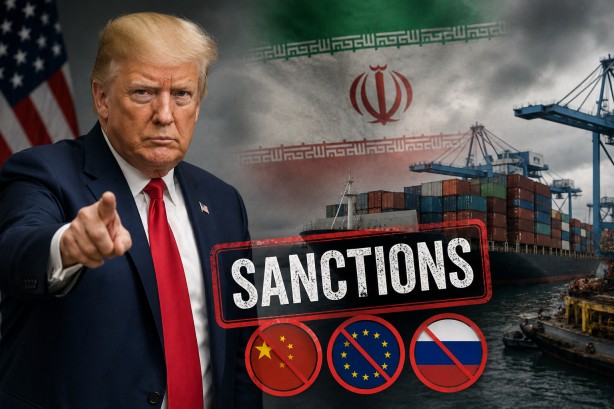
The United States is escalating its efforts to isolate Iran economically, threatening strict sanctions against nations and businesses that engage in financial activities with Tehran. US Treasury Secretary Scott Bessent announced that the focus will be on those facilitating Iran’s revenue streams, particularly through oil sales and financial transactions. Nations and companies that persist in these dealings could face deadlines to cease their operations or be subject to US sanctions.
Anxiety is mounting over the potential for heightened tensions with China, Iran’s primary trade partner and a significant purchaser of its oil. Beijing has resisted Washington’s pressure tactics, advocating instead for diplomatic and political solutions rather than economic sanctions. Meanwhile, Iran has issued warnings of possible retaliation against countries that align with the US-led strategy, hinting at military or cyber responses.
This latest move by the US comes amidst an enduring standoff over Iran’s nuclear ambitions and control over the Strait of Hormuz, a pivotal channel for the world’s energy shipments. The US has leveraged economic sanctions to curb Iranian oil exports, while Iran has exerted its influence over maritime traffic in the strategic corridor. Washington maintains that the intention behind the economic pressure is to compel Tehran to alter its course following unsuccessful military endeavors. Despite this, US officials have not ruled out further military actions as a potential course of action.
The threat of sanctions has already disrupted Iran’s trading dynamics. The United Arab Emirates has announced a halt to its trade relations with Iran. Turkey, another significant trading ally of Iran, has not yet disclosed its response to the recent US measures.