
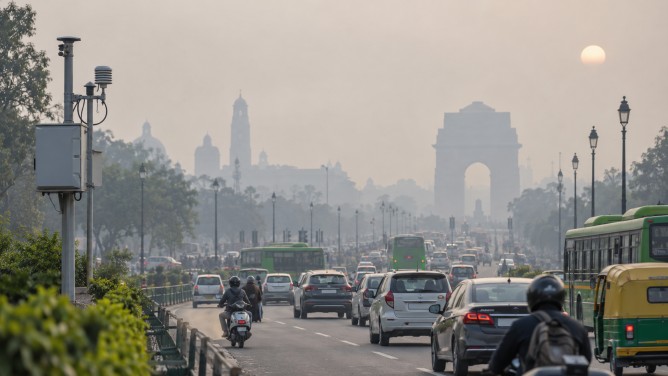
In response to worsening air quality, authorities have enacted Stage I of the Graded Response Action Plan (GRAP) across Delhi and the National Capital Region (NCR). This move comes after the Air Quality Index (AQI) in Delhi hit 233, categorizing it as poor. GRAP’s implementation aims to curb further deterioration by addressing pollution sources such as dust, vehicle emissions, waste burning, and industrial activities.
Stage I of GRAP is triggered when the AQI ranges from 201 to 300. The plan’s primary focus is on reducing pollution through preventive measures and enhanced monitoring. Key actions include managing dust at construction sites, prohibiting open waste burning, and promoting cleaner cooking fuels in commercial eateries. Restrictions are also placed on the use of diesel generator sets, with certain exemptions.
Authorities are stepping up efforts to monitor vehicle emissions, taking action against visibly polluting vehicles, and implementing traffic management strategies to alleviate congestion and encourage motorists to switch off engines at red lights. Industrial units and power plants are subject to applicable emission standards and enforcement measures.
Residents are urged to maintain their vehicles, minimize engine idling, opt for public transportation whenever possible, and report pollution-related issues through designated government platforms. These measures are part of a broader strategy to prevent the air quality from slipping into more hazardous categories.
Delhi’s current AQI of 233 indicates air quality that can cause breathing discomfort, especially among individuals with pre-existing respiratory or health conditions. With a recorded minimum temperature of 18°C and a daytime high forecasted at 31°C, authorities remain vigilant in monitoring pollution levels and ensuring compliance with the GRAP measures.