
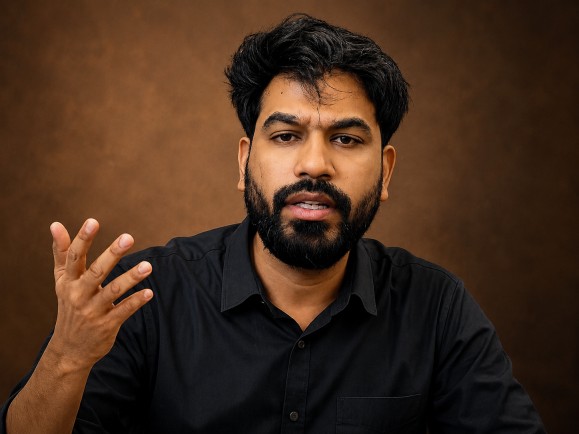
In the wake of Prime Minister Narendra Modi’s recent video announcement celebrating the passage of the Public Examinations (Prevention of Unfair Means) Amendment Bill, 2026, criticism has emerged from political circles. Abhijeet Dipke, founder of the Cockroach Janta Party (CJP), took to social media to express his disapproval of Modi’s self-recorded video, which was aimed at showcasing the government’s commitment to ensuring integrity in the examination process. In the video, the Prime Minister emphasized the legislation’s role in combatting the “paper mafia” and pledged to take stringent measures against those involved in examination malpractices.
However, Dipke was quick to challenge the effectiveness of the new law, questioning whether harsher penalties alone would be enough to address the persistent issue of exam paper leaks. By mocking Modi’s presentation in the video, Dipke highlighted a broader concern that the legislation might not be addressing the root causes of the problem. The CJP’s critique points out that while the law appears to focus heavily on punishing those who engage in cheating, it does little to prevent the initial leaks from occurring.
The CJP has consistently advocated for a different approach to tackling examination fraud. They argue that instead of solely relying on punitive measures, the government should consider implementing structural reforms aimed at enhancing transparency within the examination system. Central to their recommendations is a call for changes to the National Testing Agency (NTA), which they believe could play a significant role in preventing future leaks.
By suggesting a need for comprehensive reforms, the CJP highlights that simply tightening laws may not be sufficient to eradicate the deep-rooted issues within the examination system. Their stance is that long-term solutions require a multi-faceted approach, incorporating both legislative action and systemic changes. This ongoing debate underscores the complexity of educational reforms in India, where maintaining the integrity of public examinations remains a challenging task.