
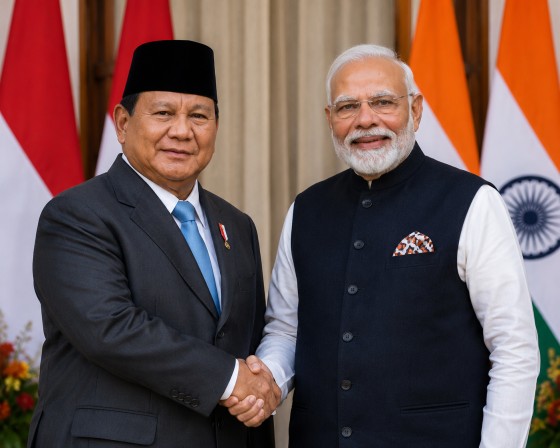
Next week, Indian Prime Minister Narendra Modi is set to travel to Indonesia for discussions with President Prabowo Subianto, with a particular emphasis on cooperation in the area of critical minerals. The two nations are in the process of negotiating several memorandums of understanding that span diverse sectors, including critical minerals, healthcare, pharmaceuticals, education, and space. Some of these agreements are anticipated to be finalized during Modi’s visit, while others are still being worked out.
India is actively pursuing a closer partnership with Indonesia to bolster the processing and manufacturing of critical minerals. The envisioned collaboration aims to create production facilities in Indonesia, ensuring a steady supply for both India’s domestic market and for export globally. Additionally, there are discussions about forming joint ventures with Indonesian partners to enhance this cooperation.
Indonesia holds a pivotal role as the world’s leading producer of nickel, making it a key ally for countries seeking reliable sources of critical minerals essential for producing electric vehicles, batteries, and advanced technologies. The Indonesian government mandates that nickel must be processed domestically before it can be exported, a policy that encourages investment in local downstream industries.
Modi’s forthcoming visit underscores India’s strategic initiative to strengthen its critical mineral supply chains, aiming to reduce reliance on external sources while simultaneously expanding economic ties with Indonesia. This move aligns with India’s broader efforts to secure critical resources necessary for its technological and industrial growth.