
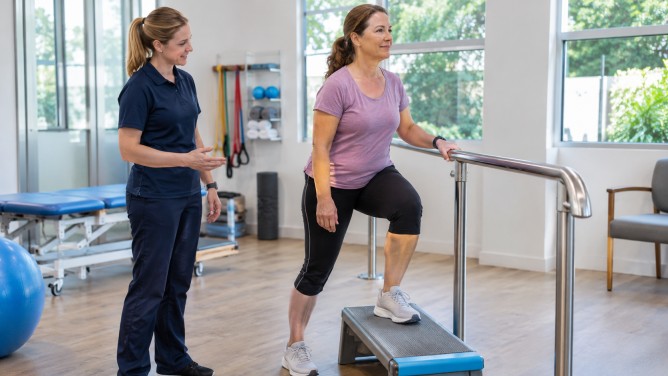
Resuming exercise after an injury requires a careful and gradual approach to prevent unnecessary strain on your knees. The body needs time to regain strength, flexibility, and endurance, making it crucial to listen to its signals and adjust activities accordingly. Whether you’re returning to gym sessions, running, or basic workouts, a strategic plan can help minimize the risk of further injury.
Being aware of warning signs can protect your knees from serious damage. While some muscle soreness is expected, persistent pain that does not improve, swelling that doesn’t subside with rest, knee instability, or a sudden popping sound accompanied by sharp pain could indicate more severe issues needing medical attention.
To safely ease back into physical activity, it is essential to incorporate proper warm-up routines that prepare muscles and joints. Starting with low-impact activities such as walking, swimming, or stationary cycling can be beneficial. Gradually increasing the intensity and duration of workouts, rather than immediately returning to high-impact exercises, is advised. Additionally, incorporating rest days allows the body to recover effectively.
In the event of minor knee injuries, rest, ice application, and physiotherapy may suffice for recovery. However, more serious conditions might necessitate professional evaluation and treatment. Options can range from arthroscopy, a minimally invasive procedure, to reconstructive surgery for significant ligament damage, such as an anterior cruciate ligament (ACL) injury.
Ultimately, returning to an exercise routine should be a measured process, prioritizing recovery and strength building over the rapid restoration of previous performance levels. By taking a patient and well-planned approach, individuals can remain active while significantly reducing the risk of re-injury, ensuring a safer return to fitness. Listening to your body and not ignoring persistent pain or swelling is key to maintaining long-term knee health.