
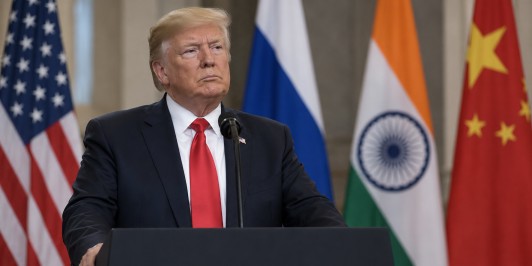
The ongoing conflict between Russia and Ukraine continues to shape international relations, as the United States seeks new methods to exert pressure on Moscow. In a significant move, President Donald Trump has signed the Lindsey O. Graham Sanctioning Russia and Iran Act of 2026, granting him extensive tariff powers. This legislation, aimed at pushing Russia to end the war in Ukraine, could significantly impact major global energy consumers, including India and China.
With the new law in place, President Trump now has the authority to impose tariffs of up to 100% on countries purchasing Russian oil and natural gas. During an address to the United Nations General Assembly, he emphasized his willingness to leverage these powers if necessary to help bring an end to the conflict. India and China, as two of the largest buyers of Russian energy, could face increased tariffs, depending on future U.S. actions.
Beyond the potential tariff implications, the legislation also introduces broader sanctions targeting various Russian sectors. These include Russian officials, financial institutions, and energy networks accused of aiding Moscow in circumventing existing restrictions. The comprehensive nature of this law signals Washington’s continued efforts to bring Russia to the negotiating table over the Ukraine conflict.
Ukrainian President Volodymyr Zelenskyy has expressed support for the new sanctions, indicating a readiness to engage in further dialogue aimed at resolving the war. The legislation highlights the ongoing international focus on finding a diplomatic solution to the conflict, amid the broader geopolitical tensions it has engendered.
While the act grants President Trump significant discretionary power, it does not automatically impose tariffs on any specific country, such as India or China. The application of these additional tariffs remains at the president’s discretion, leaving global markets attentive to potential future developments in U.S. foreign policy.