
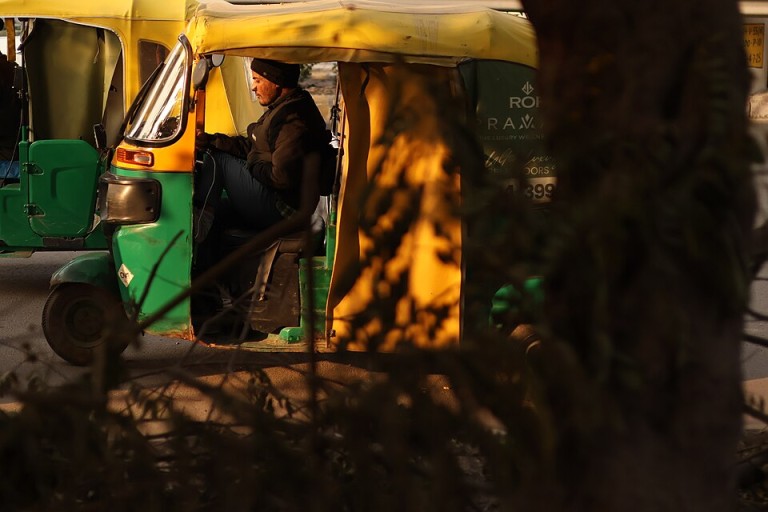
In a strategic move to combat air pollution, Delhi’s government has unveiled a plan to phase out petrol-powered scooters, motorcycles, and autorickshaws. This initiative is part of a broader effort to cut down on harmful emissions and enhance air quality in the capital. The city’s policy sets an ambitious target for at least 30% of its vehicle fleet to be electric by 2030. The transition will begin with new registrations for electric three-wheelers and small commercial vehicles in 2027, followed by electric scooters and motorcycles in 2028.
Transport emissions have long been a dominant factor in Delhi’s pollution challenges, particularly during winter months when smog is at its worst. Vehicles contribute significantly to the array of harmful pollutants in the air. Environmental specialists have praised the government’s decision, noting that electrifying two- and three-wheelers could lead to substantial reductions in emissions and improvements in public health. To facilitate this transition, the government has also committed to establishing more than 30,000 public charging points across the city.
Despite the optimistic outlook, concerns have been raised by autorickshaw drivers who fear the potential downsides of this shift. Issues such as the time required to charge electric vehicles, the cost of new vehicles, maintenance challenges, and possible income disruptions during the transition period are at the forefront of their worries. Additionally, some experts have suggested that the government should place greater emphasis on expanding clean public transportation options and enhancing last-mile connectivity.
While the policy does offer incentives like tax benefits for those purchasing electric vehicles, there are criticisms regarding the feasibility of the timeline. Critics argue that the time frame might be too tight for drivers, manufacturers, and consumers to fully adapt to the impending changes. As Delhi moves towards an electrified future, the balance between rapid implementation and adequate preparation remains a critical area of focus.