
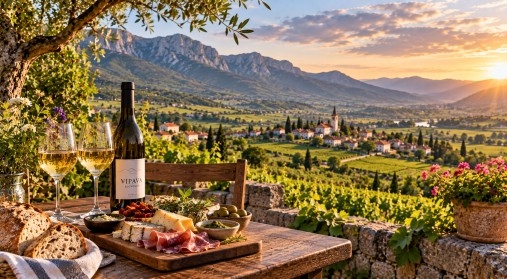
Nestled in Slovenia’s southwest, the Vipava Valley is drawing in visitors with its unique blend of wine culture, local cuisine, and outdoor pursuits. The valley’s enchanting landscape, characterized by vineyards, karst formations, and quaint traditional settlements, offers a distinct experience for those venturing to this part of the country. Positioned between mountain ranges and fertile lands, the valley is traversed by the Vipava River and sits conveniently close to the Italian border, making it an appealing stop for travelers exploring the broader area around Nova Gorica.
A defining natural feature of Vipava is the burja, a robust wind that rushes through the valley from the Alpine region. This climatic element, along with the dry karst terrain, has profoundly influenced local agricultural practices, bolstering the valley’s renown for both its wines and its preserved culinary offerings. The hillsides are dotted with vineyards, integrating wine production into the core of the local tourism industry. Small-scale producers and established wine estates thrive here, maintaining a strong connection between agriculture and regional identity.
Culinary delights in Vipava Valley echo this local authenticity. The region is known for its fresh cheeses crafted from sheep and goat milk, alongside cured meats, herbs, and vegetables. Traditional recipes are cherished, yet there is also room for innovative takes on regional dishes. This culinary richness complements the valley’s historic rural architecture, where former farms and traditional homes are being repurposed for tourism while preserving their original charm. These developments enhance the accommodation options in villages that previously offered limited lodging for visitors.
The valley is ideal for cycling enthusiasts, with routes weaving through vineyards, villages, and farmlands. E-bike paths make the hilly terrain more accessible, while hiking trails provide a gateway to the surrounding karst landscape. Historical attractions add another dimension to the region’s appeal, with Roman relics around Ajdovščina and the fortified hamlet of Vipavski Križ offering glimpses into the area’s rich past.
Vipava Valley’s allure lies in its relatively undiscovered nature, with tourism growing at a measured pace. The focus remains on supporting local food producers, wineries, family-run enterprises, and outdoor activities. This approach allows the valley to offer an array of experiences tailored to those seeking a leisurely European retreat, blending vineyard vistas and regional flavors with historic charm and active exploration.