
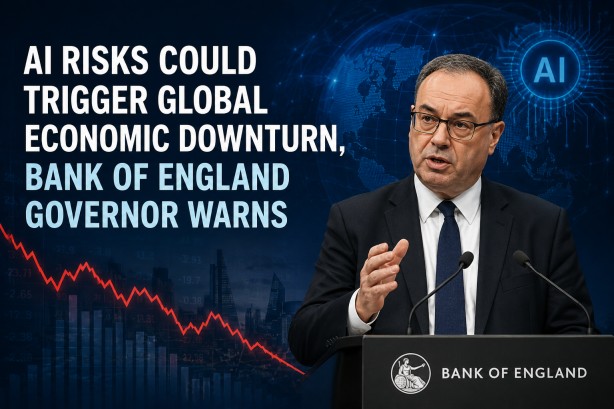
The potential risks posed by advanced artificial intelligence systems to the global financial system have been highlighted by Bank of England Governor Andrew Bailey. In a recent communication addressed to finance ministers and central bank governors of the G20 nations, Bailey expressed concerns that the increasing autonomy and problem-solving capabilities of AI models could lead to significant economic disruptions, including the threat of a major downturn.
Bailey, who also serves as the chair of the Financial Stability Board, emphasized the alarming pace at which AI-enabled cyberattacks could proliferate across countries, endangering the integrity of interconnected financial markets. He pointed out that many nations currently lack the necessary frameworks to adequately manage the development and deployment of these advanced technologies, calling for enhanced international collaboration to ensure their safe integration into the financial sector.
Highlighting cyber risk as an urgent issue, Bailey warned that AI advancements could dramatically escalate the speed and impact of cyber threats. The growing dependency on concentrated technology services and third-party providers further exacerbates the risk of widespread financial system disruptions. Such vulnerabilities underscore the need for robust measures to protect against potential system-wide failures.
Bailey also noted that the current high valuations in asset markets, coupled with increasing leverage in bond and equity sectors, could amplify the consequences of any major financial shocks. The prevailing investor optimism surrounding AI technology might render markets particularly susceptible to abrupt corrections, should expectations shift unexpectedly. In this context, he urged global financial authorities to coordinate efforts aimed at managing AI-related risks and bolstering the resilience of the international financial system.